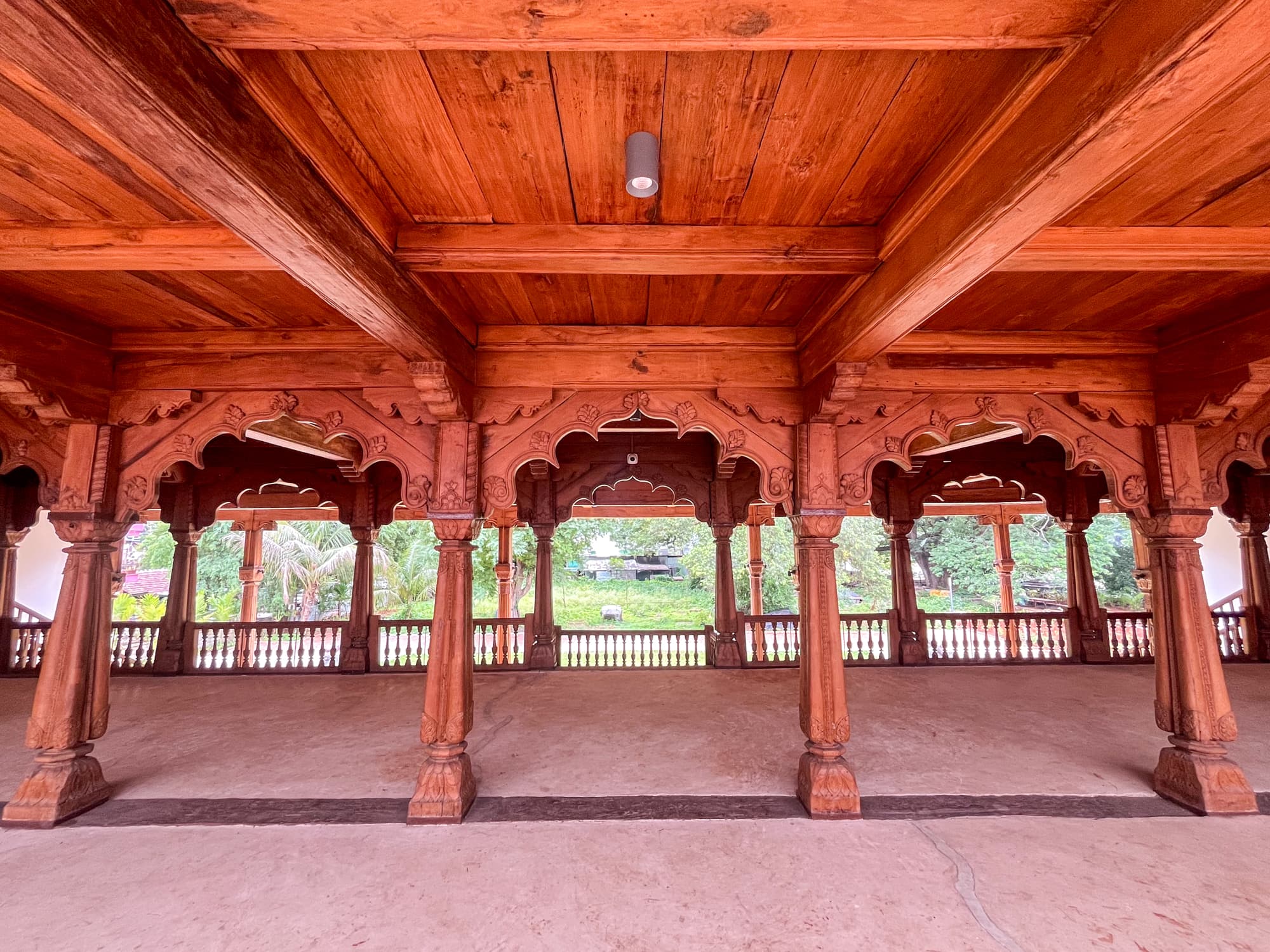
Deep within the misty Malnad region lies Nagara, a historic village whispering tales of a glorious bygone era. Located in the Hosanagara taluk of Shivamogga district, this quiet settlement was once Bidanur. It served as the final capital of the Keladi Nayaka dynasty. Unlike most heritage sites, Nagara remains completely raw and untouched. Its 17th-century fortifications melt into rolling green hills, winding backwaters, and dense tropical canopies.
The Spirit of the Soil
In local Malnad folklore, communities praise the architectural foresight of the kingdom with native pride:
“ಕೆಲದಿಯ ಅರಸರ ವೈಭವ, ಬಿದನೂರ ಕೋಟೆಯ ಗತ್ತು, ಮಲೆನಾಡ ಮಡಿಲಲಿ ಎಂದಿಗೂ ಅಜರಾಮರ.” –(The grandeur of the Keladi kings, the majesty of the Bidanur fort, shall remain immortal in the lap of Malnad.)
Quick Facts
| Attribute | Detail |
| Location | Hosanagara Taluk, Shivamogga District, Karnataka |
| Historical Names | Bidanur (Bidnur), Bednore, Hyder Nagar |
| Significance | Final Capital of the Keladi Nayakas (moved here in 1640) |
| Topography | Low-altitude fortification surrounded by valleys, lakes, and dense forests |
| Key Attractions | Nagara Fort, Shivappa Nayaka Palace ruins, Devagange Ponds |
| Best Time to Visit | July to January (monsoon for lush greens, winter for cool weather) |
| Exploration Time | 3–4 hours |
| Entry Fee | Free (maintained by the Archaeological Survey of India – ASI) |
| Nearest Town | Hosanagara (~17 km) |
| Nearest Cities | Sagara (~57 km), Thirthahalli (~36 km), Shivamogga (~84 km) |
How to Reach Nagara
Nagara sits in the heart of the Western Ghats. Scenic state highways connect the village through the Malnad woods.
From Bengaluru
Nagara is approximately 380–385 km from Bengaluru. Travelers usually take the road via Tumakuru, Chitradurga, Shivamogga, and Hosanagara. Regular overnight KSRTC buses run from Bengaluru to Hosanagara or Sagara. You can easily find local transport from there.
From Mangaluru
Mangaluru lies about 142 km away from the village. The route passes through Udupi and Kundapura. It then climbs up the scenic Hulikal Ghat (Balebare Ghat) toward Hosanagara. The road journey takes around 4 hours.
From Shivamogga
Nagara is roughly 84 km west of Shivamogga city. Frequent local KSRTC and private buses run between Shivamogga and Kollur. These buses pass directly through Nagara village.
Nearest Railway Station & Airport
- Railway Station: Sagara Jambagaru Railway Station (~57 km) or Shimoga Town Railway Station (~84 km).
- Airport: Shivamogga Airport in Sogane (~95 km) or Mangaluru International Airport (~145 km).
Historic Prominence: The Stronghold of Keladi
The rulers built Nagara as a strategic tactical fortress born out of sheer necessity. Originally, the Keladi Nayakas ruled from Keladi and later Ikkeri. They started as feudatories of the Vijayanagara Empire before declaring independence. In 1640, the Adil Shahis of Bijapur plundered Ikkeri. King Veerabhadra Nayaka then shifted the capital deep into the defensive jungles of Bidanur. He renamed the new capital Nagara.
The kingdom reached its peak here under Shivappa Nayaka (1645–1660). Historians regard him as the ablest monarch of the dynasty. He fortified the city and revolutionized the agricultural tax system (Sist). He also drove the Portuguese out of their coastal strongholds.
A Sanctuary for Sovereigns
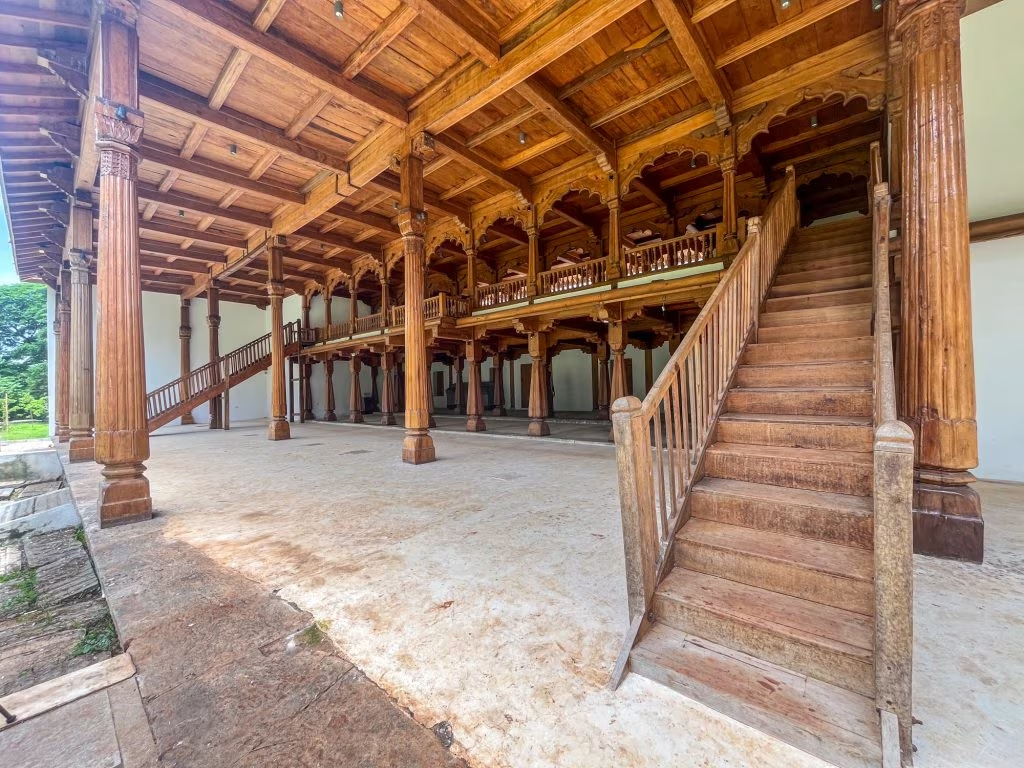
The fort is legendary for its defensive safety. Chhatrapati Shivaji Maharaj’s son, Raja Ram, fled from Mughal Emperor Aurangzeb in 1689. The brave Rani Keladi Chennamma defied the Mughal army and granted him asylum. She safely sheltered him within this Malnad territory. The capital finally fell to Haider Ali in 1763. He briefly renamed it Hyder Nagar.
Key Structures to Explore
The architects built Nagara Fort on a system of low, raised mounds. These mounds blend into the surrounding waters to form natural defensive moats.
1. Nagara Fort & Palace Ruins
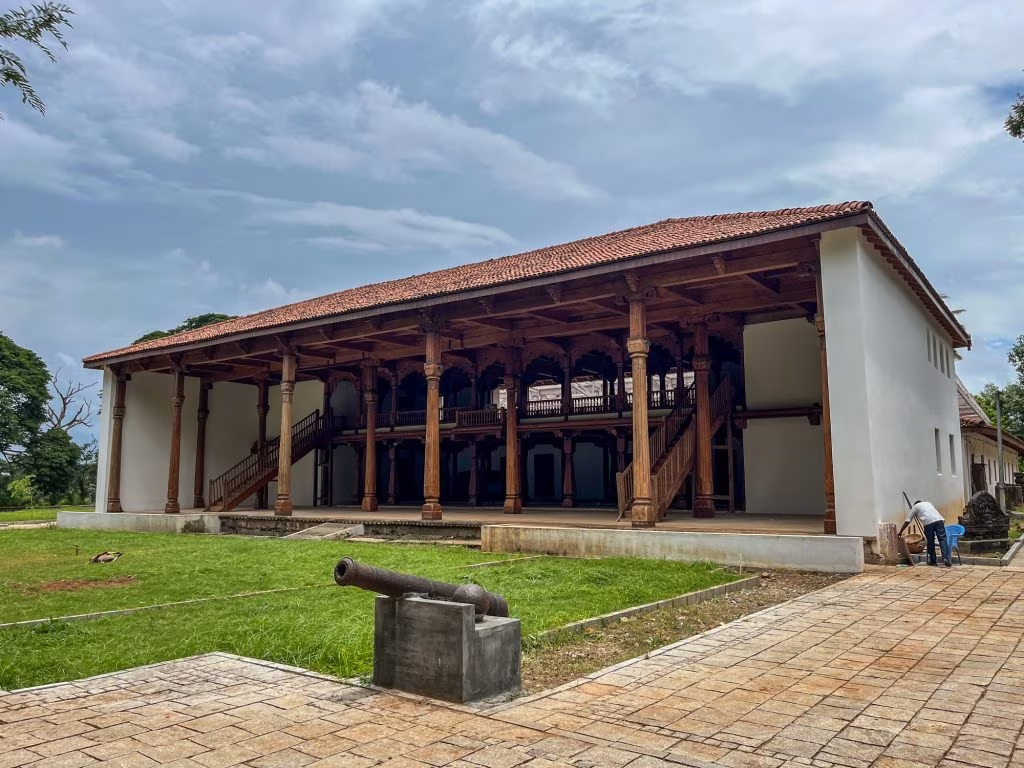
Visitors enter through a giant main gateway. The exterior stone walls stand remarkably intact today. The builders constructed them from local laterite blocks. Walking up the ramparts leads to the massive Durbar Hall platform. Only the stone foundations remain now. The layout reveals guard rooms, step-structures, living quarters, and weapon storage cells.
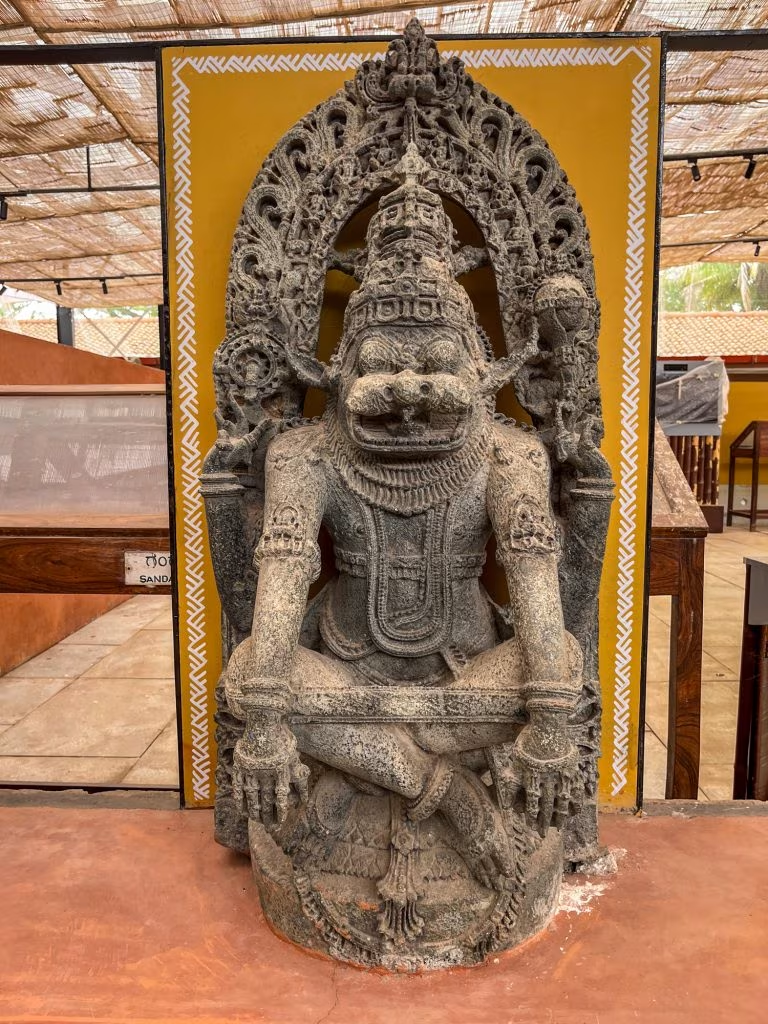
2. Akka Thangi Honda (The Twin Ponds)
Two large, parallel freshwater storage tanks sit within the fort compound. Locals call them Akka Thangi Honda. The name translates to the Twin Ponds of the Elder and Younger Sister. These pools harvested rainwater from the upper tiers of the mound. They ensured a self-sufficient water supply during long military sieges.
3. The Summit Watch Tower & Cannons
A circular stone watchtower occupies the highest point of the fort. From here, you enjoy a sweeping 360-degree view of green Malnad valleys. You can see distant peaks of the Western Ghats and the blue backwaters of the Sharavathi River. A historic iron cannon still stands mounted here. It points out toward the ancient approach trails.
4. Devagange Ponds (The Royal Bath)
Devagange sits about 4 km away from the main fort structure. It represents a marvel of medieval water engineering. The complex consists of seven interconnected stepped pools of varying shapes. It features distinct lotus-shaped and star-shaped ponds.
Natural perennial springs from the surrounding hills feed these pools. Water circulated continuously through underground clay pipes. The site served as the private bathing resort for the Keladi royal families.
Best Time to Visit & Monsoon Advisory
- The Golden Window (October to March): Post-monsoon rains paint the Malnad landscape in brilliant green. The weather cools down significantly and mist clears early. This creates perfect conditions for exploring the open ramparts.
- The Monsoon Experience (June to September): Hosanagara receives incredibly high rainfall during these months. The fort transforms into a striking, moss-covered emerald landscape. However, the laterite steps become extremely slippery. Heavy downpours can also limit visibility from the watchtowers.
What to Carry & Practical Tips
- Footwear: Wear shoes with strong rubber grips. You must navigate slippery, mossy stone slopes inside the fort.
- Food & Water: Nagara is a quiet, small village. You will find basic tea stalls and small local eateries near the bus stand. No major restaurants or facilities exist inside the fort area. Carry your own water bottles and snacks.
- Leech Awareness: Leeches thrive if you explore the surrounding woods or visit the Devagange pools during monsoon. Carrying salt or wearing long socks helps protect your ankles.
- Keep it Clean: The area is ecologically sensitive and borders the Sharavathi Valley ecosystem. Authorities strictly prohibit plastic littering. Pack all your trash back out with you.
Nearby Attractions in the Malnad Circuit
You can pair your trip to Nagara beautifully with these nearby destinations:
- Kavaledurga Fort (~27 km): The Keladi rulers built this spectacular, isolated hill fort. It remains hidden within thick forests near Thirthahalli.
- Kodachadri Peak (~30 km): This legendary mountain peak offers a popular trekking destination. It is famous for golden sunsets over the Arabian Sea line and the historic Sarvajna Peetha.
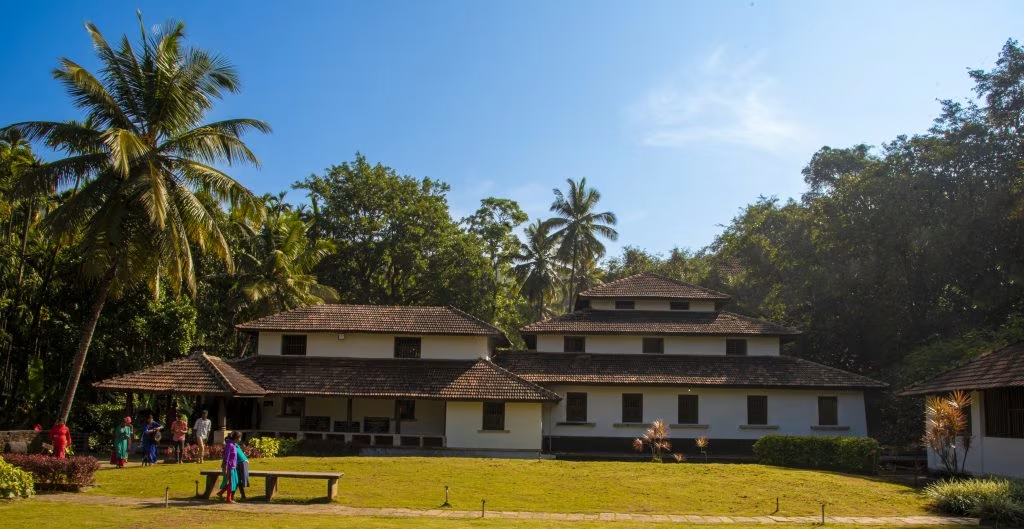
- Kuppalli (~50 km): This village preserves the ancestral birthplace of Karnataka’s legendary national poet, Kuvempu. It beautifully reflects classic Malnad architecture and literary heritage.
- Sigandur Chowdeshwari Temple (~60 km): A unique pilgrimage destination. Travelers cross the massive Sharavathi backwaters on a large eco-tourism vehicular ferry launch.
Frequently Asked Questions (FAQs)
1. Is there an entry fee or specific timing to visit Nagara Fort?
Entry to Nagara Fort is completely free. The Archaeological Survey of India (ASI) protects this open heritage site. It is best to visit between 6:00 AM and 6:00 PM. The fort lacks artificial lighting after sunset.
2. Can we see the backwaters from the fort?
Yes, you can. The highest circular watchtower point inside the fort offers an expansive view. You can see the distant backwaters of the Sharavathi River weaving through the hills.
3. Are there stay or food options available right at Nagara?
Nagara is a small, quiet village. Accommodation options inside the village remain limited to basic local homestays. Travelers generally stay in nearby Malnad towns like Hosanagara (~17 km), Thirthahalli (~36 km), or Sagara (~57 km).
4. Who built the Devagange ponds and how far are they?
The rulers of the Keladi Nayaka dynasty built the Devagange stepped pools. They designed them as a royal bathing complex. The pools are located roughly 4 km away from the main Nagara Fort structure.
5. Why is the place called both Bidanur and Nagara?
Historically, the village was called Bidanur when it became the capital in 1640. Over time, it served as the prominent metropolitan city of the empire. Locals simply referred to it as Nagara, meaning “City” in Kannada.
6. Is the fort safe for families and solo travellers?
Yes, the fort is very peaceful and safe. However, the stone steps get covered in green moss during the monsoons. This makes them quite slippery. Families with young children should tread carefully during wet weather.