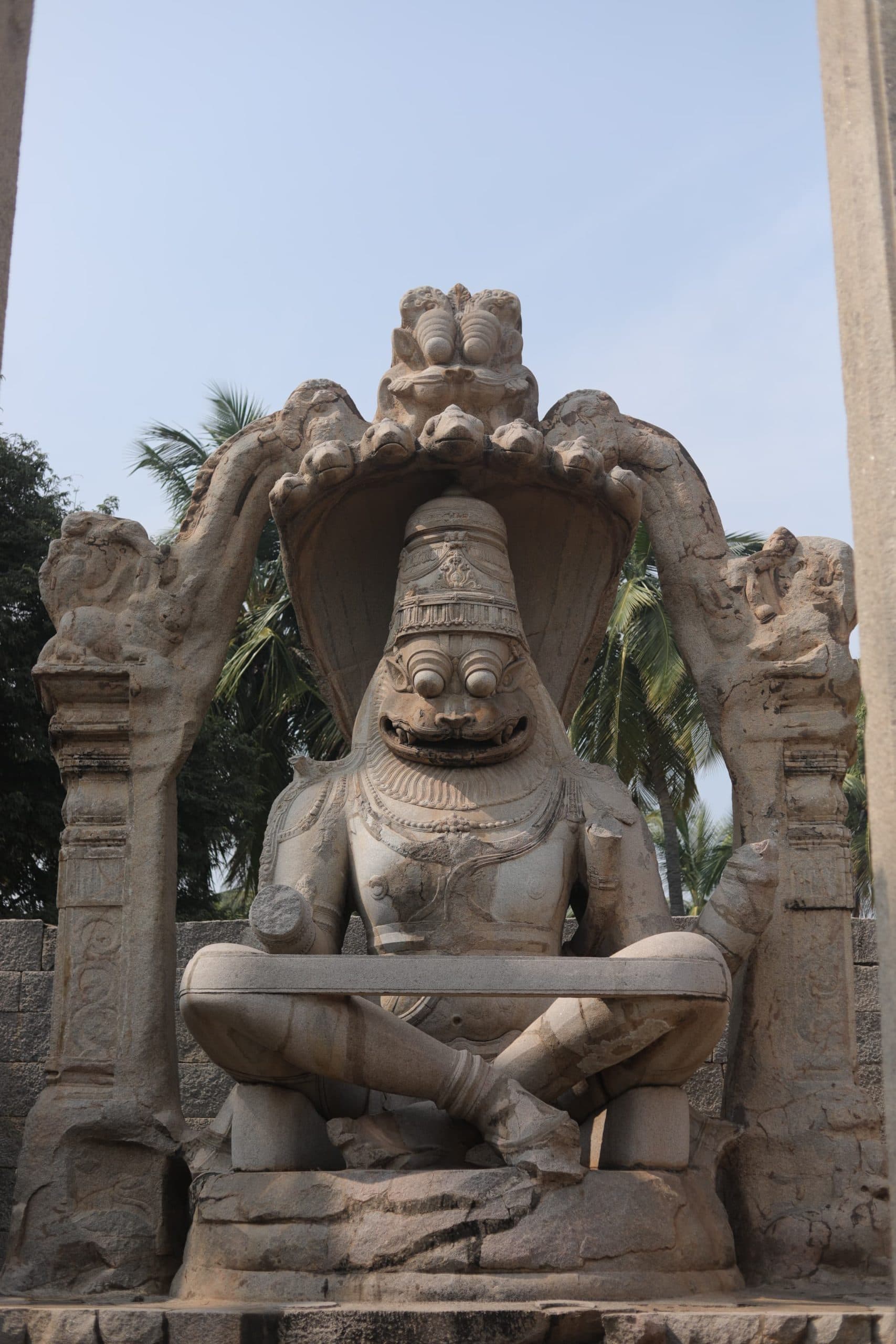
Hampi is one of the most fascinating historical destinations in India. Located in Vijayanagara, this ancient town is known for its magnificent temple architecture, vast ruins, and dramatic landscapes filled with massive granite boulders. The town lies along the banks of the Tungabhadra River and attracts travelers, historians, photographers, and spiritual seekers from across the world. Once the grand capital of the Vijayanagara Empire, it was among the largest and wealthiest cities in the world during the 14th to 16th centuries. Today, the remains of temples, palaces, markets, and royal structures stand as silent reminders of that glorious past. Walking through Hampi feels like stepping into a living museum where history can be experienced at every corner.
"Hampi holds global recognition for its exceptional historical and cultural significance. In 1986, the monuments of Hampi were declared a UNESCO World Heritage Site, establishing it as one of India’s most important heritage destinations."
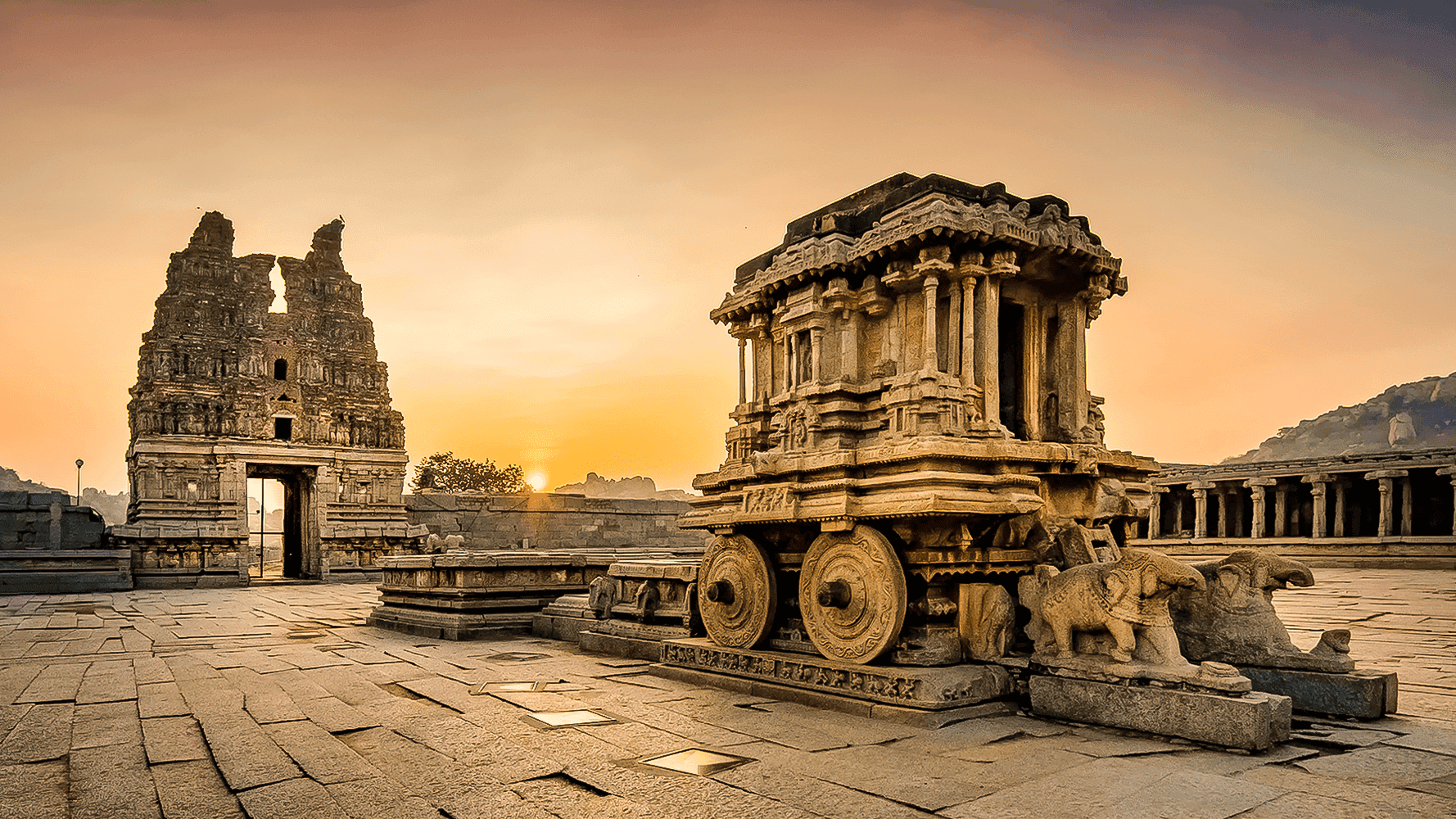
The region is famous for iconic landmarks such as Virupaksha Temple, Vijaya Vittala Temple, the legendary Stone Chariot, and the elegant Lotus Mahal. These structures showcase remarkable craftsmanship and reflect the artistic brilliance of the Vijayanagara period.
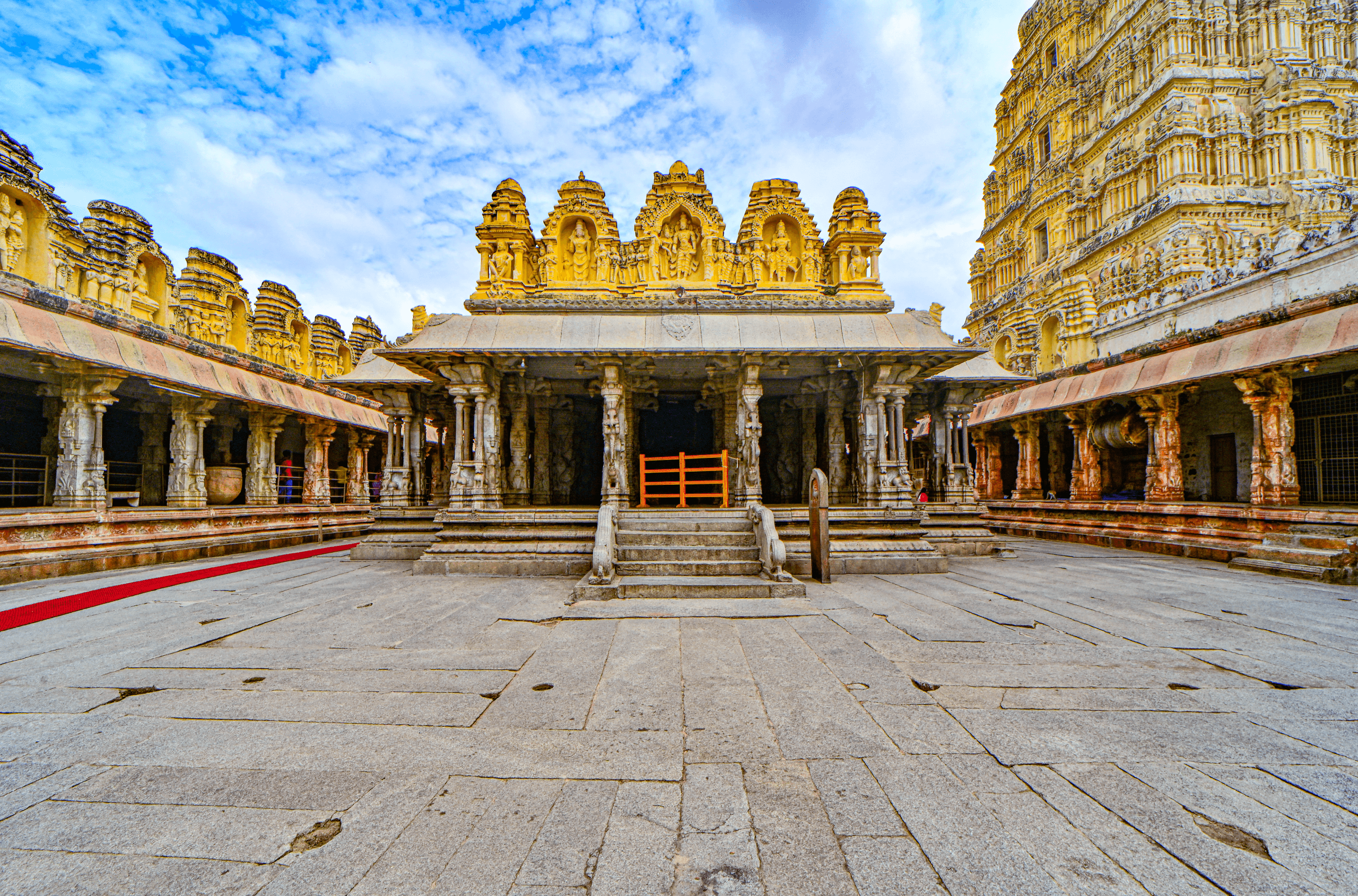
The city’s story began in 1336, when the brothers Harihara and Bukka Raya founded the Vijayanagara Empire. Today, Hampi’s more than 1,600 surviving monuments are protected as a UNESCO World Heritage Site, a status granted in 1986, and the site is often described as the world’s largest open-air museum. At Virupaksha Temple, a nine-tiered gopuram rises above the ruins and worship continues to this day. At Vijaya Vittala Temple, the 56 musical pillars of the Ranga Mantapa ring with musical notes when struck, and the Stone Chariot in its courtyard is so iconic that it appears on the ₹50 note. Beyond the monuments, you can climb Matanga Hill for panoramic views of the Tungabhadra, watch the sunset from Hemakuta Hill, or take a coracle ride on the river. October to February is the recommended time to visit, with about three days suggested to do the site justice. The annual Hampi Utsav brings the Vijayanagara era to life with classical dance, music and processions amid the ruins.