Introduction
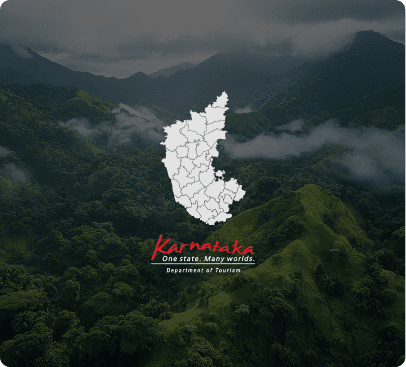
The Malnadu belt, meaning “land of the hills,” stretches across Shivamogga, Chikkamagaluru, Uttara Kannada, and parts of Hassan. Famous for its heavy monsoon rains, misty hills, and evergreen forests, it is one of Karnataka’s most fertile regions. Plantations here are more than farmland — they are part of a vibrant cultural and ecological fabric.
Did You Know?
- Malnadu cuisine is deeply tied to plantation produce, with dishes like pathrode and akki rotti.
- The region’s rainfall often exceeds 4000 mm in some parts like Agumbe.
- Plantations often blend seamlessly with streams, paddy fields, and forests.
Highlights
- Multi-crop estates growing coffee, areca, coconut, pepper, and cardamom
- Plantation homestays offering Malnadu cuisine and hospitality
- Eco-tourism opportunities including treks, birdwatching, and waterfalls
- Festivals and folk traditions linked to plantation life
Practical Information
- Best time to visit: September to March
- What to pack: Rain gear, comfortable trekking shoes, light sweaters
- Getting around: Local buses, jeeps, and private vehicles are common
- Food: Rich Malnadu meals with freshly harvested produce
- Stay options: Plantation homestays and eco-resorts
- Nearby hubs: Shivamogga, Chikkamagaluru, and Sringeri
Location, Timings & Transport
- Location: Malnadu region of the Western Ghats (across Shivamogga, Chikkamagaluru, Uttara Kannada, and Hassan)
- Timings: Open for visits year-round; monsoon adds scenic beauty but limits trekking
- Transport: Accessible by road from Bengaluru (250–300 km); nearest railway hubs: Shivamogga, Chikkamagaluru; airports: Mangaluru and Bengaluru
Summary
Malnadu is not just about plantations — it is a way of life where farming, forests, and culture thrive together, offering travellers an authentic glimpse into Karnataka’s lush heritage.